

“We need a rebrand” gets said in a lot of meetings that actually needed a much smaller conversation. Refresh and rebrand are treated as points on the same scale, when they’re really different decisions with different costs, different risks, and different reasons to justify them. Confusing the two wastes budget in one direction or leaves a genuine problem unsolved in the other. This blog outlines what actually separates a refresh from a rebrand, the signals that point toward each, and what each decision costs beyond the design work itself.
Key Takeaways
- A refresh updates execution; a rebrand changes what the business stands for.
- Most businesses asking for a rebrand actually need a refresh.
- Rebrands carry real search visibility and recognition costs that refreshes largely avoid.
- The right trigger is a genuine business or market shift, not internal fatigue.
- Getting the scope wrong in either direction wastes budget or leaves problems unsolved.
How Employees Experience the Distinction Differently Than Customers
It’s worth recognizing that a refresh can feel more significant internally than it registers externally, and a rebrand can feel less disruptive to a team already emotionally prepared for the change than it does to a customer encountering it cold. This mismatch in perceived scale between internal and external audiences is worth planning around specifically, rather than assuming the internal reaction predicts the external one.
Preparing customer-facing staff for how much explanation a change will actually require, based on the external perspective rather than the internal one, avoids a common gap where a team that’s lived with the change internally for months underestimates how much a customer encountering it for the first time will need explained.
What Actually Separates the Two
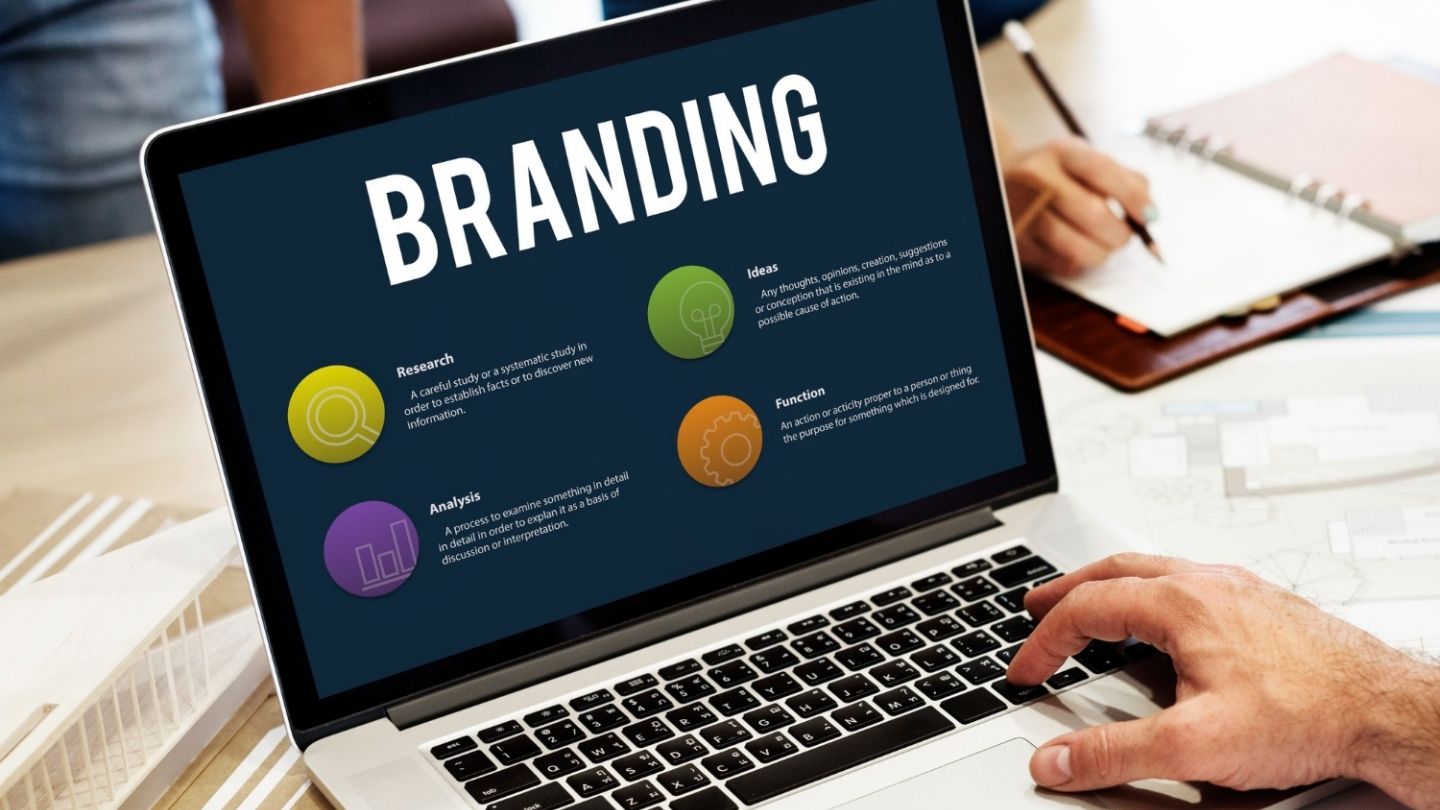
A refresh updates how you look while keeping who you are intact: modernized typography, a tightened palette, updated photography, cleaner layouts. The name stays, the logo evolves rather than replaces, the core identity a customer already recognizes remains recognizable. It’s evolution, not replacement, and it’s considerably lower risk because you’re not asking your audience to relearn who you are.
A rebrand changes the identity itself, sometimes the name, often the logo entirely, frequently the positioning and the story the business tells about itself. It’s appropriate when the business has genuinely become something different- a merger, a pivot into a new market, a name that’s become a liability- and it comes with real costs that a refresh simply doesn’t carry, which is exactly why the distinction matters before committing budget to either.
Why Most “Rebrand” Requests Are Actually Refreshes
The word “rebrand” gets used loosely, usually by a team that’s grown tired of looking at the same visual system every day. That fatigue is real and it’s also almost never a good reason for a full rebrand, because the customer relationship to your brand doesn’t age at the same rate as the internal team’s relationship to it. Your customer has seen your logo a handful of times. Your team has seen it thousands.
That asymmetry means most requests that arrive as “we need a rebrand” are better served by an honest look at what’s actually stale, usually the execution rather than the identity itself. Updated photography, a tightened color application, and modernized typography within the existing system often resolve the dissatisfaction completely without touching the underlying recognition your brand has spent years building.
The Legitimate Reasons to Rebrand
Some triggers genuinely warrant the bigger move. The business has expanded or pivoted so far from its original positioning that the current identity actively misrepresents what you do now. A merger has created two overlapping brands that need to become one coherent thing. The name conflicts with another business in a way that’s causing real confusion or legal risk. Or the existing identity carries a negative association strong enough that no amount of refreshing will fix the perception. Reviewing the different types of graphic design and why specialization matters is useful groundwork before commissioning a full identity overhaul, since a rebrand touches several distinct design disciplines at once.
Each of these is a business reality forcing the identity to change, not a design team getting bored of the current one. That distinction is the whole test: could you explain the reason to a customer and have them understand why the change was necessary? “We wanted something more modern” doesn’t pass that test easily. “We’re no longer just a local bakery; we’re a regional wholesale supplier” does.
Check Whether the Problem Is Actually Design
Sometimes what feels like a branding problem is actually a positioning or messaging problem that no amount of visual change will fix. Diagnose which one you’re facing before commissioning either kind of project.
What a Rebrand Actually Costs Beyond Design Fees
The visible cost of a rebrand is the design work itself, new logo, new guidelines, new assets across every touchpoint. The higher, less visible cost is the recognition reset: everything built up around the old identity- brand recall, informal word-of-mouth referrals using the old name, years of accumulated familiarity- resets to some degree and has to be rebuilt. That’s a real cost even when the new identity is objectively better. The benefits of graphic design services for businesses are easiest to realize when a rebrand is planned properly rather than rushed against a self-imposed deadline.
There’s a search-specific version of this cost too. A name change means every existing citation, backlink, and piece of earned coverage referencing the old name needs redirecting and updating, and even when handled carefully, some authority and recognition genuinely gets lost in the transition rather than fully transferring. This is where the decision stops being purely a design conversation and becomes a search visibility one as well, since rankings built under an old name don’t automatically carry forward intact.
Planning the Transition Properly If You Do Rebrand
If the legitimate triggers apply and a rebrand is genuinely warranted, the execution matters enormously for how much of that cost you actually absorb. A planned redirect strategy for every URL, updated citations across the web in step with the launch, and a public transition period where both identities are acknowledged together all soften what would otherwise be a harder reset. Consistency through the transition matters as much as the destination, which is the same principle behind how consistent brand design improves customer recognition.
Announcing the change clearly, explaining the reason to your existing audience rather than springing it on them, and giving search engines time to process the transition through proper redirects rather than an abrupt swap all reduce the recognition and ranking loss considerably. A rushed rebrand executed without this care pays the full cost of the transition for a fraction of the long-term benefit.
Getting a Second Opinion Before Committing

Because the refresh-versus-rebrand decision is so easy to get wrong from inside the business, particularly when internal fatigue is driving the request, an outside perspective is worth seeking before committing serious budget either direction. Someone without daily exposure to your current identity can assess more objectively whether it’s genuinely failing or just familiar to the people who look at it constantly.
This doesn’t need to be an expensive formal process. Even informally asking a handful of actual customers what they associate with your current brand, and whether they’d notice or care about a significant visual change, often reveals whether the appetite for a full rebrand reflects a real customer-facing problem or an internal one.
Making the Right Call for Where You Actually Are
The businesses that get this right start with an honest diagnosis rather than a predetermined answer. Is the dissatisfaction about how the brand looks, which a refresh solves, or about what the brand fundamentally represents, which only a rebrand addresses? Getting that diagnosis wrong in either direction is expensive, either in wasted refresh budget that never touches the real problem, or in an unnecessary rebrand that pays real recognition and search costs for a fix a simpler update would have handled.
At The Ocean Marketing, we help businesses make this call properly, combining graphic design services with SEO strategy to protect what you’ve already built if a full rebrand is genuinely the right move. Whether you’re weighing a refresh against a full rebrand, planning a transition that protects your existing visibility, or want a free SEO audit to see where your site currently stands, our team can help. Contact us and let’s figure out what your brand actually needs.